
Eat the Frog: Do Your Hardest Task First
Most of us start the day the same way. We open our inbox, answer a few easy messages, tidy a file, and tell ourselves we are warming up. An hour later, the hard task is still waiting, and it feels even heavier than it did at breakfast. The easy work gave us a small sense of progress, but it did not move the day forward in any real way. That is the problem eat the frog is built to solve.
Eat the frog is a simple rule: do your hardest, most important task first, before anything else. The frog is the task you most want to avoid. It might be a difficult report, a hard conversation, a project you have been putting off, or a piece of work that takes real thought. It is not always the longest task. It is the one that carries the most weight in your mind. When you finish it early, the rest of the day feels lighter, because the hardest part is already behind you.
The idea is often linked to a saying attributed to Mark Twain, that if you eat a live frog first thing in the morning, nothing worse will happen to you for the rest of the day. The image is vivid on purpose. It makes the point hard to forget. You do not need to like the frog. You only need to deal with it first, so it stops following you around for hours.
What Does Eat the Frog Mean?
Eat the frog means choosing one task that matters most and doing it before you do easier work. The task should be important, not just urgent. An urgent message can feel pressing, but it may not change your week. A frog is a task that, once done, makes the day feel like a success even if everything else goes more slowly.
A frog has three qualities. First, it matters. Finishing it moves a goal, a project, or a deadline forward. Second, it is hard or uncomfortable. It takes focus, a decision, or a conversation you would rather delay. Third, it is easy to postpone. There is usually no one standing over you demanding it right now, which is why it keeps slipping to tomorrow.
Why Your Brain Avoids the Frog
Procrastination is rarely about laziness. It is usually about discomfort. A hard task can bring up the fear of doing it badly, the fear of being judged, or the simple dislike of effort without a quick reward. Your brain looks for relief, and easy tasks offer it. Answering a message feels useful. Clearing a small job feels like progress. So you trade a small, quick reward now for a larger, slower reward later.
The trouble is that the frog does not go away. It sits in the back of your mind while you do other things. You think about it during lunch. You feel a small pull of guilt when you check the time. By the afternoon, your energy is lower and the task looks even larger than it did in the morning. What started as a two-hour job now feels like a whole-day job, even though nothing about the work itself has changed.
How to Find Your Frog
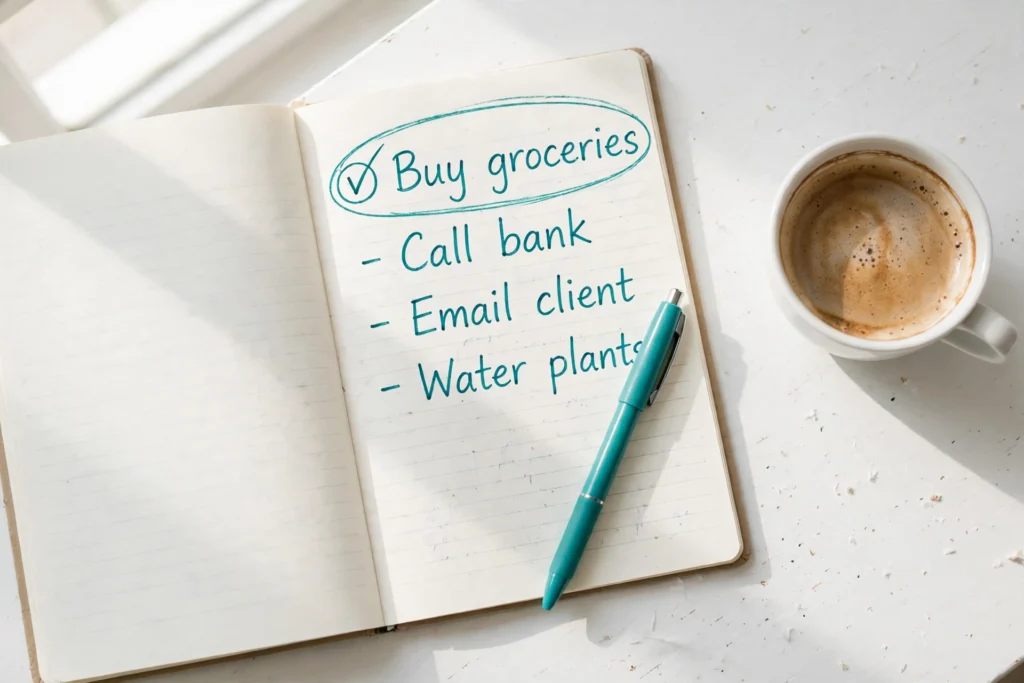
Finding your frog takes only a few minutes, but it is worth doing with care. A good frog is not simply the task you dislike most. It is the task that matters most and that you are most likely to avoid.
Start by writing down the tasks on your mind for the day. Keep the list short. Five or six items is enough. If the list is long, you will spend your morning sorting it instead of working on it. Look at each item and ask three questions. Which task would make the biggest difference if it were done today? Which task am I most likely to put off until later? Which task would I feel most relieved to have finished?
Do the Frog First Thing in the Morning

The classic version of eat the frog says to do the frog first thing in the morning, and there is a good reason for that advice. Your morning hours are often your freshest hours. You have not yet spent your attention on messages, meetings, and small decisions. Your mind is clearer, and your will to keep going is stronger than it will be after a long day of choices.
Doing the frog first does not mean you must start the moment you wake up. It means the frog is the first real work of the day, before email, before routine jobs, and before the small tasks that pull you away. Give yourself a short start-up routine if you need one. Make coffee, look at your plan, clear your desk, and then begin. The point is to protect the first work block, not to rush into it without a breath.
Break the Frog Into Small Bites
A large frog can feel impossible when you look at it as one whole task. A report, a project plan, or a long study session can seem too big to start. Breaking it into small bites makes it easier to begin, and beginning is often the hardest part.
Take your frog and ask what the first small step is. Not the whole task, just the first step. It might be opening the file and writing the heading. It might be listing the three points you need to cover. It might be sending one message to ask for the information you need. A small step is useful because it is clear and quick. You can do it even when you do not feel ready for the whole job.
What to Do After You Eat the Frog

After you eat the frog, the rest of the day changes. The heavy feeling lifts. You have already done the most important thing, so the remaining work feels more manageable. That is the time to handle the smaller tasks you set aside. Answer the messages. Clear the quick jobs. Do the routine work that keeps your day running. These tasks are easier now because they are no longer competing with a large worry in the back of your mind.
Take a short break first if you need one. A walk, a glass of water, or a few minutes away from your desk can help you reset after deep work. Do not use the break to start a new hard task right away. Let your mind rest for a moment, then move into the lighter part of your day with fresh energy.
Eat the Frog at Work, at School, and at Home
Eat the frog works in many settings because the pattern is the same everywhere. There is always one task that matters most and is easiest to avoid. The details change, but the method stays the same.
At work, the frog might be a report, a presentation, a difficult email, or a conversation with a teammate. Start your workday by doing that task before you open your inbox. If your job starts with meetings, use the first free block after the meeting for the frog. The key is to place it before the easy work, not after a long stretch of small jobs has used up your focus.
Common Mistakes That Make Eat the Frog Fail
The first mistake is picking a frog that is too big. If your frog is a whole project that will take a week, you will never finish it in one morning, and the method will feel like a failure. Pick a clear piece of the project instead. A section, a draft, or a decision is a better frog than an entire project with no clear end.
Tips to Make Eat the Frog Stick
Pick your frog the night before. When you know your frog before you go to bed, you do not spend the morning deciding. You wake up with a clear first task. Write it on a note or at the top of your planner so it is the first thing you see.
Prepare what you need in advance. Open the file, gather the notes, or lay out the tools the night before. A frog that is ready to start is much easier to begin than a frog that needs twenty minutes of setup. Small preparation removes a common excuse for delay.
Use a timer for the first block. Set it for twenty-five or fifty minutes and work until it rings. A timer gives the work a clear end, which makes it easier to start. You are not promising yourself a whole morning of hard work. You are promising yourself one focused block.
Frequently Asked Questions
What is eat the frog?
Eat the frog is a productivity method that asks you to do your hardest and most important task first, before easier work. The frog is the task you most want to avoid. Doing it early gives you momentum and stops the task from weighing on your mind all day.
Who should use eat the frog?
Anyone who keeps putting off an important task can use it. It works for office workers, students, freelancers, and people managing a home. If your day often ends with the most important task still undone, this method is worth trying.
How do I choose my frog?
Look at your tasks for the day and ask which one would make the biggest difference if it were done, which one you are most likely to avoid, and which one would bring the most relief once finished. The task that fits all three is your frog.
What if my frog takes more than a day?
Break it into smaller pieces and pick one clear piece as the frog for today. A section of a report, a first draft, or a single decision can be a good daily frog. You do not need to finish a whole project in one morning.
What if I cannot do the frog first thing in the morning?
Place it in your best focus window instead. Some people work best a little later in the morning. The key is to do the frog before easy work takes over your attention, and to protect that block from interruptions as much as you can.
Does eat the frog mean I should ignore small tasks?
No. Small tasks still matter, but they come after the frog. Once the hardest task is done or well started, you can handle messages, routine jobs, and quick tasks with a clear mind. The method changes the order of your work, not the total amount you do.
Keep Going With Your Hardest Task First
Eat the frog is not about being tough on yourself. It is about being kind to your future self. The version of you at the end of the day will be glad that the hard task is done. The version of you tomorrow morning will be glad that yesterday’s frog is not still waiting.
Start small. Pick one frog for tomorrow, write it down tonight, and do it before the easy work. Notice how the rest of the day feels. If it helps, keep going for a week and see what changes. You may find that your days feel calmer, your work feels more meaningful, and the tasks you once avoided start to feel more manageable.
Related Guides
- Timeboxing: Assign Every Hour a Job
- Time Tracking 101: Measured Gets Managed
- The 10-Minute Rule: Start Dreaded Tasks
- The 3 MIT Method: Pick Three Most Important Tasks
- The 2-Minute Rule: Clear Small Tasks Instantly
- Task Batching: Email, Calls, Admin — Reclaim Your Calendar
- Plan a Productive Day in 10 Minutes
- Pomodoro Technique: 25 Minutes of Deep Focus
2 thoughts on “Eat the Frog: Do Your Hardest Task First”